



Catch tenant application fraud with AI
Scan all rental documents, in any language in PDF or images
Verify the authenticity of documents used in tenant background checks, from anywhere in the world.
Tenancy fraud is on the rise
As property markets around the globe remain more competitive than ever, applicants will use anything at their disposal to get an edge—including document forgery and identity theft.
To combat this boom in rental fraud, you need an AI tenant screening tool. An AI technology like Resistant AI will streamline your documentation checks and give you speedier, more accurate results. You can now detect fraudulent property rental applications with confidence.
Screen more tenantsmore efficiently
Replace your heavy manual checks and slow applicant screening process with the leading AI-powered tenant screening API. With Resistant AI, you can automatically check all documents used in tenant background checks, and streamline your processes.
Our AI document fraud detection gives results in less than 20 seconds. Lengthy tenancy fraud investigations are a thing of the past.
Catch more tenant fraud with automated background checks
Fake identity and fake income verification: Real estate agencies, property managers, conveyancing and tenant referencing companies, all use Resistant AI to check rental application documentation and verify identity and financial means to pay, as part of their identity verification and income verification process.
You can now use the power of AI too, and detect up to 36% more fraud!
Get a competitive advantage
Enjoy faster and more accurate identity and financial checks when using Resistant AI's document fraud detection technology.
Resistant AI’s Document Forensics will increase the speed of your documentation checks, accepting around 80% of documents instantly. Fraud detection becomes an instantaneous part of rental agreements and onboarding, streamlining the process to give you a competitive edge. Detect rental fraud with AI today!

How our AI works for you
From simple document manipulation, photoshop edits, to template farms, deepfakes, and generative AI fraud, our tenant screening fraud detection service verifies a document's authenticity in PDF or image, with more than 500 detectors, to spot forged documents in less than 20s.
Our multi–layered document analysis technology also inspects the metadata and structure of documents to detect any fraud attempt, so you can quickly detect tenancy fraud with confidence.

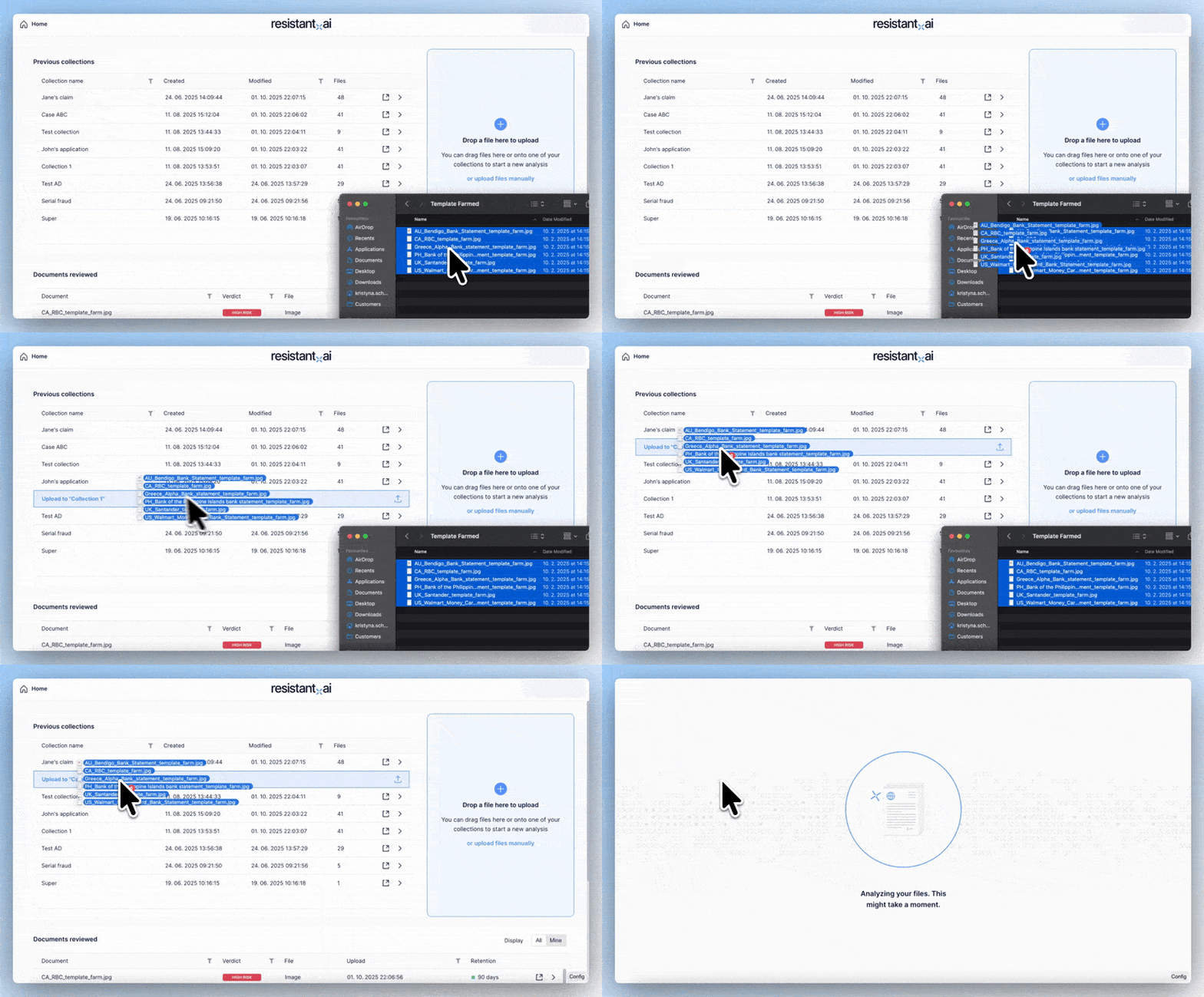
Simply drag and drop your file or deploy by API
With Resistant AI, it's never been easier to run background checks on rental applicants. Our document fraud detection tool is easy to integrate into your existing system, and you don't need to change your processes.
Start detecting fraudsters immediately by dropping your rental applicants' documents in our web interface, or deploy our tenant screening document verification API when you're ready to automate your fraud checks.
Get a solution to detect document fraud and streamline your tenant background checks today.
See how much you can save:
- Average out-of-the-box detection rate (pre-training) 86%
- Average reduction in manual reviews 92%
Ready to protect yourself from tenant fraud?
- Rental History: Reviewing past rental agreements, eviction records, and references from previous landlords to assess reliability and behavior as a tenant.
- Financial Stability: Checking credit reports to gauge financial responsibility, including payment history and outstanding debts.
- Criminal Record: Investigating any criminal history to ensure the safety of the property and its residents.
Tenancy fraud refers to the illegal occupation or misuse of rental properties. It typically involves tenants providing false information to secure a tenancy, but more cases of fraud involving tenants exist. Common forms of tenancy fraud include:
- Application Fraud: Providing false information on housing applications to gain priority or secure a tenancy. For example, they could manipulate financial documents like pay stubs and bank statements to appear credible.
- Use of Fake Identities: Fraudsters often create or use fake identities to apply for rental properties. This can involve presenting doctored documents such as passports, driver's licenses, or utility bills that appear legitimate but are actually fabricated.
- Identity Theft: In some cases, potential tenants may steal someone else's personal information to apply for housing. This can include using stolen social security numbers or other identifying details to impersonate another individual, thereby gaining access to rental properties unlawfully.
- Succession Fraud: Wrongfully claiming a tenancy after the original tenant's death.
- Unlawful Subletting: Renting out the property to someone else without the landlord's consent.
- Key Selling: Selling access to the property to unauthorized individuals after moving out.
Tenancy fraud involving fake identities or identity theft is a growing concern in the rental market. This type of fraud occurs when individuals use stolen or falsified personal information to secure rental agreements.
Tenancy fraud is a significant issue for real estate companies, landlords, and property managers. It not only deprives legitimate applicants of housing but also leads to financial losses and increased management costs for landlords.
Resistant AI's technology is transforming tenant screening processes for property managers and landlords by enhancing speed, ease, efficiency, and accuracy.
Resistant AI automates the collection and analysis of tenant data, including identity, credit scores, rental history, and income verification. This allows for a comprehensive assessment of applicants without the delays associated with manual processes.
One of the standout features of Resistant AI is its ability to detect fraudulent applications early in the screening process. By employing machine learning algorithms, Resistant AI can identify patterns indicative of document tampering or falsified information, significantly reducing the risk of accepting unreliable tenants.
Document fraud in rental applicant screening is a significant and growing concern for landlords and property managers. The rise in rental prices and housing demand has led to a corresponding increase in fraudulent activities.
Fraudulent applicants often falsify key documents such as pay stubs, bank statements, identification cards, and rental references. This can involve altering existing documents to exaggerate financial stability or creating entirely fake documents to mislead landlords about their qualifications. Some fraudsters resort to identity theft, using stolen personal information or creating false identities to bypass screening processes.
The risks are high for landlords and property managers as tenancy fraud leads to financial losses, reputation damage, and increased screening costs.
We don't believe in risk scores: What do you do with a 68% vs an 82% document risk score?
Instead, Resistant AI gives you clear actionable verdicts:
- High Risk: this document is likely fraudulent and should be declined.
- Warning: this document is modified and should be reviewed.
- Normal: there’s nothing wrong with this document and can be accepted.
- Trusted: this document perfectly matches authentic ones.